Introduction
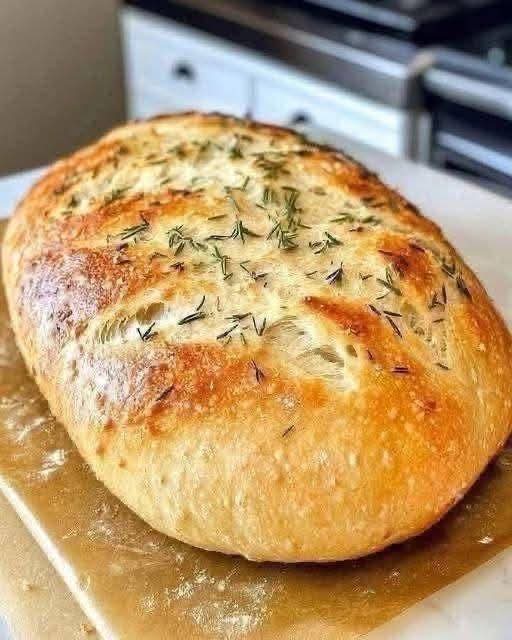
This Cheesy Garlic Dill Bread is a beautiful homemade loaf with a crisp, golden-brown crust and a soft, tender center. Fresh dill, garlic, melted cheese, and buttery flavor give this rustic bread an irresistible aroma and savory taste.
It is perfect for family dinners, weekend baking, holiday meals, sandwiches, soups, and as an easy homemade appetizer. The recipe uses simple pantry ingredients and produces bakery-style bread without complicated techniques.
Recipe Overview
| Category | Details |
|---|---|
| Recipe | Cheesy Garlic Dill Bread |
| Cuisine | American-inspired / Rustic Bakery Style |
| Prep Time | 20 minutes |
| Rising Time | 1½–2 hours |
| Baking Time | 30–35 minutes |
| Total Time | About 2½ hours |
| Servings | 8–10 slices |
| Difficulty | Easy to Moderate |
| Texture | Crisp outside, soft and fluffy inside |
| Best For | Dinner, appetizers, sandwiches, soups |
| Oven Temperature | 425°F (220°C) |
Why You’ll Love This Recipe
This homemade bread has a wonderfully crisp crust while remaining soft and airy inside.
Garlic and fresh dill create a fragrant savory flavor that makes the loaf especially delicious when served warm.
Melted cheese adds richness and a lightly golden topping.
The recipe uses everyday baking ingredients and does not require a bread machine.
It is versatile enough for breakfast, lunch, dinner, snacks, or entertaining.
Freshly baked bread can also be customized with different cheeses, herbs, and seasonings.
Ingredients
For the Bread Dough
| Ingredient | Amount |
|---|---|
| All-purpose flour | 3½ cups (440 g) |
| Warm water | 1½ cups (360 ml) |
| Instant yeast | 2¼ teaspoons (7 g) |
| Granulated sugar | 1 tablespoon (12 g) |
| Salt | 1½ teaspoons (8 g) |
| Olive oil | 2 tablespoons (30 ml) |
For the Garlic Herb Topping
| Ingredient | Amount |
|---|---|
| Unsalted butter, melted | 3 tablespoons (42 g) |
| Garlic, finely minced | 3–4 cloves |
| Fresh dill, chopped | 2 tablespoons |
| Dried dill | 1 teaspoon, optional |
| Shredded mozzarella | ½ cup (55 g) |
| Parmesan cheese | 2 tablespoons |
| Black pepper | ¼ teaspoon |
Step-by-Step Instructions
Prepare the Dough
Combine the warm water, sugar, and instant yeast in a large mixing bowl. Let the mixture stand for about 5 minutes. The water should be warm rather than hot.
Add the flour, salt, and olive oil. Mix until a shaggy dough forms.
Transfer the dough to a lightly floured surface and knead for about 7–10 minutes, until it becomes smooth and elastic. If the dough feels extremely sticky, add flour gradually, about one tablespoon at a time.
First Rise
Place the dough in a lightly oiled bowl and cover it with a clean kitchen towel or plastic wrap.
Allow it to rise in a warm, draft-free place for about 1–1½ hours, or until approximately doubled in size.
Shape the Loaf
Gently press the air out of the dough and shape it into a round loaf.
Place the dough on a parchment-lined baking sheet or into a lightly greased Dutch oven.
Cover and let it rest for another 20–30 minutes.
Prepare the Garlic Butter
While the dough rests, combine the melted butter, minced garlic, fresh dill, black pepper, and dried dill if using.
Mix well and set aside.
Add the Cheese and Herbs
Brush the top of the dough generously with the garlic butter mixture.
Sprinkle the mozzarella and Parmesan evenly over the surface. Finish with additional fresh dill.
For a more rustic appearance, make several shallow cuts across the top of the loaf before adding the topping.
Bake the Bread
Preheat the oven to 425°F (220°C).
Bake the loaf for approximately 30–35 minutes, or until the crust is deeply golden brown and the cheese is melted and lightly browned.
If the top begins browning too quickly, loosely cover the bread with aluminum foil during the final portion of baking.
For best results, the center of the loaf should reach approximately 190–200°F (88–93°C).
Cool Before Slicing
Remove the bread from the oven and let it cool for at least 20 minutes before slicing.
This allows the interior crumb to finish setting while keeping the bread soft and flavorful.
Best Tips
Use fresh yeast that is within its recommended expiration date for the best rise.
The water should be warm, around 100–110°F (38–43°C). Water that is too hot can damage the yeast.
Do not add too much flour. A slightly soft dough usually produces a lighter, more tender loaf.
Fresh garlic gives the strongest flavor, while roasted garlic creates a sweeter, milder taste.
Allow the bread to cool before cutting so the interior does not become gummy.
For an especially crisp crust, bake the loaf in a preheated Dutch oven with the lid on for the first portion of baking, then remove the lid to brown the top.
Best Ingredient Options
Flour: All-purpose flour works very well, but bread flour can provide a chewier texture and stronger structure.
Cheese: Mozzarella gives excellent meltability. Cheddar, Monterey Jack, Gruyère, provolone, or a mozzarella-Parmesan combination are also excellent.
Dill: Fresh dill provides the brightest flavor. Dried dill can be used when fresh herbs are unavailable.
Garlic: Fresh minced garlic is ideal, but roasted garlic can be substituted for a sweeter flavor.
Butter: Unsalted butter gives you better control over the salt level. Olive oil can be used for a lighter Mediterranean-style version.
Recipe Variations
Cheesy Garlic Herb Bread: Add fresh parsley, oregano, and basil along with the dill.
Cheddar Garlic Bread: Replace the mozzarella with sharp cheddar for a stronger cheese flavor.
Jalapeño Cheddar Bread: Add finely chopped jalapeños and cheddar for a spicy variation.
Rosemary Garlic Bread: Replace the dill with fresh rosemary and add a little Parmesan.
Roasted Garlic Cheese Bread: Use roasted garlic instead of raw garlic for a mellow, slightly sweet flavor.
Mediterranean Herb Bread: Add oregano, parsley, olive oil, and a small amount of crumbled feta.
What to Serve With
This savory homemade bread pairs beautifully with creamy tomato soup, chicken soup, vegetable soup, beef stew, pasta dishes, roasted chicken, grilled meats, baked vegetables, and fresh salads.
It can also be served as an appetizer with marinara sauce, whipped herb butter, or a simple olive-oil dipping sauce.
Make-Ahead Instructions
The dough can be prepared several hours ahead and refrigerated after kneading.
For the best flavor, cover the dough tightly and refrigerate it for up to 24 hours. Allow it to come closer to room temperature before shaping and baking.
The garlic butter can also be prepared ahead and refrigerated for up to 3 days. Bring it to a spreadable consistency before using.
Storage
Store completely cooled bread in an airtight container or tightly wrapped at room temperature for up to 2 days.
For longer storage, refrigeration is possible, although it may make the bread slightly firmer.
For the best texture, warm refrigerated bread briefly before serving.
Reheating
For individual slices, warm them in a 350°F (175°C) oven for approximately 5–8 minutes.
For a whole loaf, wrap it loosely in foil and heat at 350°F (175°C) for about 10–15 minutes.
An air fryer can also reheat individual slices at approximately 325°F (165°C) for 3–5 minutes.
Freezing
Allow the bread to cool completely before freezing.
Wrap the whole loaf tightly in plastic wrap followed by aluminum foil, or freeze individual slices in a freezer-safe bag.
Store for up to 2–3 months for the best quality.
Thaw at room temperature and reheat in a 350°F (175°C) oven until warm and crisp.
Common Mistakes to Avoid
Using water that is too hot can prevent the yeast from working properly.
Adding excessive flour can produce a dense and dry loaf.
Under-kneading can result in weak dough and poor structure.
Skipping the second rest may prevent the bread from achieving its best volume.
Adding too much cheese to the surface can cause excessive browning before the bread is fully baked.
Cutting the bread immediately after removing it from the oven can make the crumb appear gummy.
Nutrition Estimate
The following is an approximate estimate per slice, assuming the loaf produces 10 slices.
| Nutrient | Approximate Amount |
|---|---|
| Calories | 250 kcal |
| Carbohydrates | 34 g |
| Protein | 8 g |
| Fat | 9 g |
| Saturated Fat | 4 g |
| Fiber | 2 g |
| Sugar | 2 g |
| Sodium | 430 mg |
| Calcium | 100 mg |
Actual nutrition will vary depending on the flour, cheese, butter, slice size, and other ingredients used.
Frequently Asked Questions
Can I use bread flour instead of all-purpose flour?
Yes. Bread flour works particularly well if you prefer a slightly chewier loaf with a stronger structure.
Can I make this bread without cheese?
Absolutely. Simply omit the cheese and increase the garlic-herb butter slightly for a delicious garlic dill loaf.
Can I use dried dill?
Yes. Use about 1–2 teaspoons of dried dill in place of the fresh dill, adjusting according to taste.
Why is my homemade bread dense?
Dense bread can result from inactive yeast, insufficient rising time, too much flour, or under-kneading. Make sure the dough has enough time to rise properly.
Can I make this recipe in a Dutch oven?
Yes. A Dutch oven can help create an excellent crust by trapping steam during baking. Make sure the parchment and dough are suitable for the temperature you are using.
Can I add more garlic?
Yes, if you enjoy a stronger garlic flavor. However, very large amounts of raw garlic can add moisture and make the topping more likely to brown quickly.
How do I know when the bread is fully baked?
The loaf should have a deep golden-brown crust and sound hollow when tapped on the bottom. For the most reliable result, check that the internal temperature is around 190–200°F (88–93°C).
Final Thoughts
This Cheesy Garlic Dill Bread is a simple homemade bread recipe that delivers bakery-style results with a golden crust, fluffy center, melted cheese, fresh herbs, and plenty of garlic flavor. It is an excellent choice for family dinners, holiday gatherings, comfort food meals, and easy homemade appetizers.
Serve it warm with your favorite soup, pasta, roasted meat, or simply enjoy a slice with butter. The combination of garlic, herbs, and cheese makes this rustic loaf difficult to resist.