Introduction
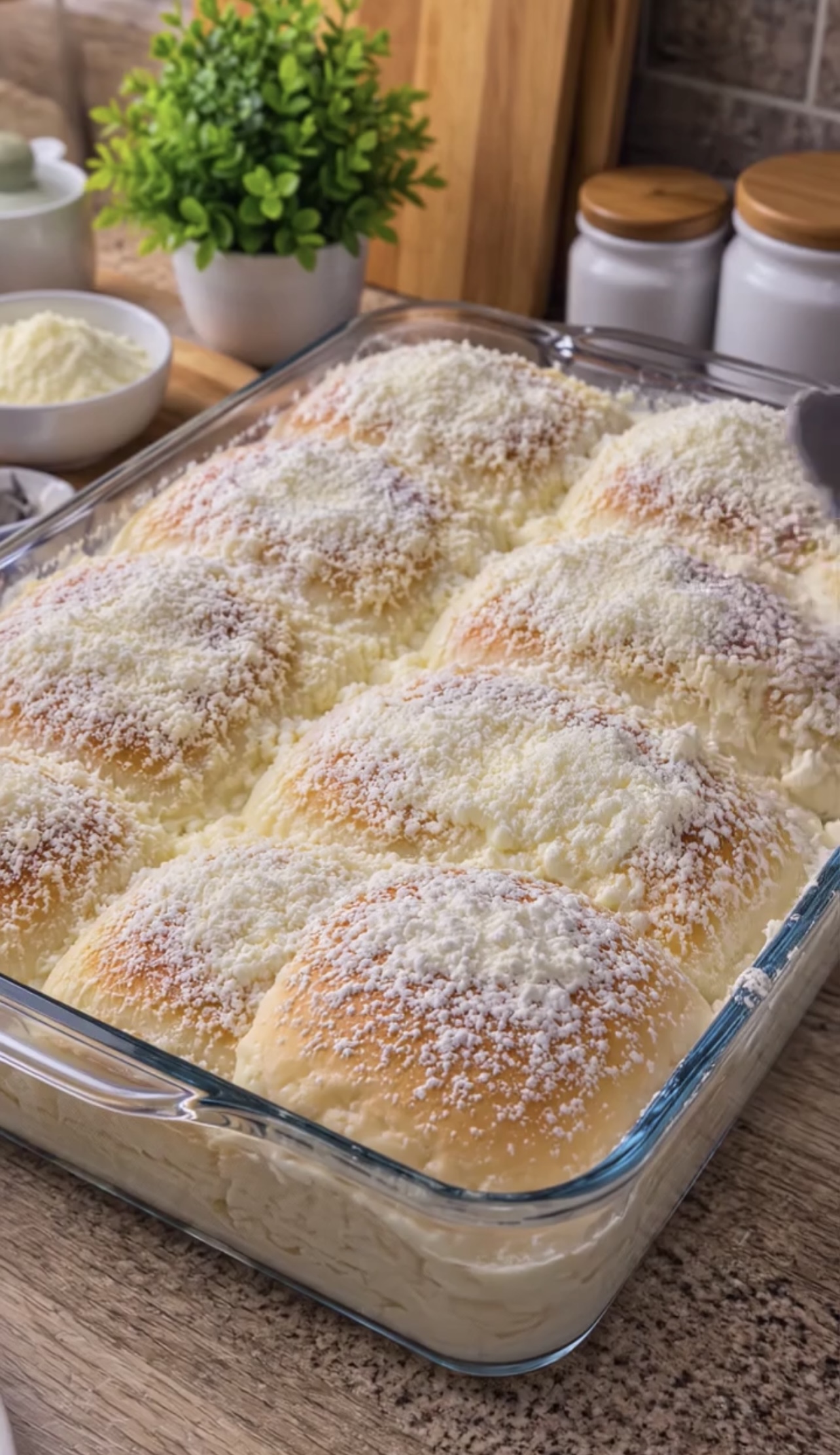
Panipopo, also known as Samoan Coconut Buns, is a traditional Samoan sweet bread made with soft, fluffy yeast rolls baked in a rich, sweet coconut milk sauce. These irresistible homemade buns have a beautiful golden-brown top, a tender interior, and a creamy coconut glaze that settles around the bottom of the baking dish as the rolls bake. Every bite combines the comforting texture of freshly baked bread with the tropical sweetness of coconut, making this recipe a wonderful choice for breakfast, brunch, afternoon tea, or a special family dessert.
What makes Panipopo truly special is its simple preparation and delicious coconut sauce. The dough rises until light and pillowy, then the shaped rolls are covered with sweetened coconut milk before baking. As the buns cook, they absorb some of the sauce while the remaining liquid thickens into a rich, fragrant coating. Serve these Samoan coconut buns warm, straight from the baking dish, with extra sauce spooned over each roll for an authentic homemade treat that coconut lovers will want to make again and again.
📋 Recipe Overview
| Recipe Detail | Information |
| Prep Time | 30 minutes |
| First Rise | 1–1½ hours |
| Second Rise | 30–45 minutes |
| Bake Time | 25–30 minutes |
| Total Time | Approximately 2 hours 55 minutes to 3 hours 15 minutes |
| Yield | 9–12 buns |
| Course | Breakfast, Brunch, or Dessert |
| Cuisine | Samoan / Pacific Islander |
| Cooking Method | Oven-baked |
| Oven Temperature | 350°F (175°C) |
| Baking Dish | 9 × 13-inch baking dish |
| Difficulty | Moderate |
| Main Flavor | Sweet coconut and buttery yeast bread |
❤️ Why You’ll Love This Recipe
- Soft and fluffy texture: Homemade yeast dough creates tender, pillowy rolls.
- Rich coconut flavor: Sweetened coconut milk gives the buns their signature sauce.
- Golden tops and creamy bottoms: The rolls develop a lightly browned top while absorbing the coconut sauce underneath.
- Simple pantry ingredients: Flour, yeast, milk, sugar, butter, and coconut milk are the main ingredients.
- Perfect for sharing: Bake the rolls together in one dish and serve family-style.
- Make-ahead friendly: Prepare the dough ahead of time and bake when you’re ready.
- Versatile serving options: Enjoy these buns for breakfast, brunch, afternoon tea, or dessert.
🛒 Ingredients
1. Sweet Yeast Roll Dough
| Ingredient | Quantity | Notes |
| All-purpose flour | 4 cups (500 g) | Add gradually |
| Instant or active dry yeast | 2¼ tsp (7 g) | One standard packet |
| Warm milk | 1 cup (240 ml) | About 100–110°F (38–43°C) |
| Granulated sugar | ¼ cup (50 g) | Feeds the yeast and sweetens the dough |
| Unsalted butter | ¼ cup (57 g) | Melted and slightly cooled |
| Large egg | 1 | Room temperature |
| Salt | ½ tsp | Balances the sweetness |
2. Sweet Coconut Milk Sauce
| Ingredient | Quantity | Notes |
| Full-fat coconut milk | 1 can (13.5 oz / 400 ml) | Shake or stir well before using |
| Granulated sugar | ½ cup (100 g) | Adjust to taste |
| Vanilla extract | 1 tsp | Optional but delicious |
| Salt | Small pinch | Balances the sweetness |
3. Optional Toppings
| Ingredient | Quantity | Purpose |
| Shredded coconut | 2–3 tbsp | Adds extra coconut flavor |
| Powdered sugar | 1–2 tbsp | For a light decorative finish |
Ingredient tip: Full-fat canned coconut milk gives the sauce its rich texture. Coconut milk beverage from a carton is usually much thinner and will not produce the same result.
👩🍳 Step-by-Step Instructions
Step 1: Prepare the Yeast
- Pour the warm milk into a large mixing bowl.
- Add the yeast and 1 tablespoon of the measured sugar.
- Stir gently and let the mixture stand for 5–10 minutes if using active dry yeast.
- Look for a foamy surface, which indicates that the yeast is active.
If using instant yeast, you can mix it directly with the flour, although dissolving it in warm milk also works.
Important: The milk should be warm, not hot. Excessive heat can damage the yeast and prevent the dough from rising properly.
Step 2: Make the Dough
- Add the remaining sugar, melted butter, egg, and salt to the yeast mixture.
- Whisk until the ingredients are combined.
- Add the flour gradually, mixing after each addition.
- Continue mixing until a soft dough forms.
- If the dough is extremely sticky, add a little extra flour, 1 tablespoon at a time.
The dough should feel soft and slightly tacky rather than dry or stiff.
Step 3: Knead Until Smooth
- Transfer the dough to a lightly floured work surface.
- Knead by hand for approximately 8–10 minutes.
- Alternatively, use a stand mixer fitted with a dough hook for 5–7 minutes on low to medium-low speed.
- Continue until the dough becomes smooth, elastic, and stretchy.
To test it, gently stretch a small piece of dough. It should stretch before tearing, although it does not need to form a perfectly transparent window.
Step 4: Let the Dough Rise
- Shape the dough into a ball.
- Place it in a lightly greased bowl.
- Turn the dough once so its surface is lightly coated.
- Cover with plastic wrap or a clean, damp kitchen towel.
- Leave it in a warm, draft-free place for 60–90 minutes, or until approximately doubled in size.
The exact rising time depends on the temperature of your kitchen. Focus on the dough’s appearance rather than the clock alone.
Step 5: Shape the Coconut Buns
- Lightly grease a 9 × 13-inch baking dish.
- Gently press down the risen dough to release excess air.
- Transfer it to a work surface.
- Divide it into 9 large portions or 12 smaller portions.
- Shape each portion into a smooth ball by folding the edges underneath.
- Arrange the dough balls in the prepared baking dish, leaving a little space between them.
As the rolls rise, they will expand and become close together, creating the soft pull-apart texture associated with Panipopo.
Step 6: Complete the Second Rise
- Cover the baking dish loosely with plastic wrap or a clean towel.
- Let the shaped buns rise for 30–45 minutes.
- Check that they look noticeably puffy and have expanded.
Avoid letting the rolls rise so long that they collapse or become excessively fragile.
Step 7: Prepare the Sweet Coconut Sauce
- Pour the canned coconut milk into a bowl or large measuring jug.
- Add the granulated sugar, vanilla extract, and a pinch of salt.
- Whisk until the sugar begins to dissolve.
- Stir thoroughly to distribute the coconut cream evenly.
If the coconut milk has separated in the can, whisk it until smooth before measuring.
Step 8: Pour the Sauce Over the Rolls
- Preheat the oven to 350°F (175°C).
- Remove the cover from the risen rolls.
- Slowly pour the coconut milk mixture over and around the buns.
- Distribute the sauce evenly throughout the dish.
The liquid will collect around the rolls and at the bottom of the baking dish. This is exactly what you want: the buns will absorb some of the coconut milk as they bake, while the remaining sauce thickens around them.
Step 9: Bake Until Golden
- Place the dish on the center rack of the preheated oven.
- Bake for approximately 25–30 minutes.
- Check the rolls after 20 minutes.
- If the tops are browning too quickly, cover the dish loosely with aluminum foil.
- Continue baking until the rolls are golden brown and the dough in the center is fully cooked.
Because these buns sit in a generous amount of sauce, they may need a little longer than ordinary dinner rolls. If the center rolls still look doughy, continue baking in 5-minute increments.
For a more precise check, the center of a fully baked roll should reach approximately 190°F (88°C).
Step 10: Rest and Serve
- Remove the baking dish from the oven.
- Let the buns rest for 10–15 minutes.
- Spoon some of the warm coconut sauce from the bottom of the dish over the tops.
- Sprinkle with shredded coconut if desired.
- Serve warm while the rolls are soft and the sauce is creamy.
The sauce will thicken slightly as it cools, coating the buns with a sweet coconut glaze.
⭐ Best Tips for Perfect Panipopo
1. Use the Correct Milk Temperature
Warm milk helps activate the yeast, but milk that is too hot can prevent the dough from rising.
2. Avoid Adding Too Much Flour
A slightly tacky dough produces softer buns. Adding too much flour can make them dense and dry.
3. Knead Thoroughly
Proper kneading develops gluten, helping the rolls rise and hold their soft, fluffy structure.
4. Give the Dough Enough Time to Rise
A warm kitchen speeds up fermentation, while a cool kitchen slows it down. Wait until the dough is visibly expanded.
5. Use Full-Fat Coconut Milk
Full-fat canned coconut milk creates a richer sauce than low-fat alternatives.
6. Pour the Sauce Evenly
Distribute the coconut mixture around the entire dish so the bottom and edges of the buns receive enough moisture.
7. Watch the Tops While Baking
The sugar in the coconut sauce can encourage browning. Cover the buns loosely with foil if necessary.
8. Allow the Buns to Rest
A short resting period helps the sauce settle and makes the buns easier to serve.
9. Serve Them Warm
Panipopo is especially delicious when the rolls are warm and the coconut sauce is still soft and spoonable.
10. Use the Right Baking Dish
A 9 × 13-inch dish gives 9–12 buns enough room to rise while keeping them close enough to remain soft.
🥥 Best Ingredient Options
All-Purpose Flour
All-purpose flour creates soft, tender rolls. Bread flour can also be used and may produce a slightly chewier texture.
Milk
Whole milk adds richness to the dough. Reduced-fat milk works too, although the rolls may be a little less tender.
Butter
Unsalted butter provides a mild, rich flavor. If using salted butter, reduce the added salt slightly.
Coconut Milk
Full-fat canned coconut milk is the best choice for the traditional rich sauce. Stir it thoroughly before measuring.
Sweetener
Granulated sugar provides classic sweetness. You can reduce the sugar in the sauce to ⅓ cup if you prefer a less sweet result.
Vanilla
Vanilla enhances the coconut flavor. It is optional, but a small amount adds a pleasant aroma.
Shredded Coconut
Unsweetened shredded coconut adds texture without making the buns excessively sweet. Sweetened coconut can be used for a more dessert-like finish.
🔄 Recipe Variations
1. Extra-Creamy Coconut Buns
Replace ¼ cup of the coconut milk with coconut cream for a richer sauce. Check the sauce during baking, as the consistency may be thicker.
2. Lightly Sweet Panipopo
Reduce the coconut sauce sugar to ⅓ cup. The buns will still be fragrant and delicious, with a less sugary finish.
3. Coconut-Vanilla Buns
Increase the vanilla extract in the sauce to 1½ teaspoons for a more pronounced vanilla aroma.
4. Coconut Cinnamon Buns
Add ½ teaspoon ground cinnamon to the dough for a warm, spiced variation.
5. Toasted Coconut Topping
Sprinkle toasted shredded coconut over the baked buns immediately before serving.
6. Mini Panipopo Rolls
Divide the dough into 16–18 smaller portions. Arrange them in a larger baking dish or two smaller dishes and begin checking for doneness earlier.
7. Dairy-Free Coconut Buns
Use an unsweetened plant-based milk in the dough and replace the butter with a suitable dairy-free alternative. Check that the yeast and other ingredients are suitable for your dietary needs.
8. Orange Coconut Buns
Add 1 teaspoon finely grated orange zest to the dough for a light citrus aroma that complements the coconut sauce.
🍽️ What to Serve With Panipopo
| Pairing | Why It Works |
| Fresh tropical fruit | Adds freshness and balances the sweet sauce |
| Sliced pineapple | Complements the coconut flavor |
| Fresh mango | Provides a juicy, tropical contrast |
| Black coffee | Balances the sweetness |
| Hot tea | Makes a comforting afternoon snack |
| Fresh berries | Add color and a slightly tart flavor |
| Scrambled eggs | Creates a more substantial breakfast |
| Plain yogurt | Offers a cool, tangy contrast |
Panipopo can be enjoyed on its own as a sweet snack or served as part of a breakfast or brunch spread.
⏰ Make-Ahead Instructions
You can prepare the dough ahead of time to make baking day easier.
Option 1: Refrigerate the Dough Overnight
- Prepare and knead the dough.
- Place it in a lightly greased bowl and cover securely.
- Refrigerate before the first rise is complete.
- The next day, allow the dough to warm slightly and continue rising until expanded.
- Shape the rolls and complete the second rise.
- Prepare the coconut sauce and bake as directed.
Cold dough may take longer to rise, so use its appearance as your guide.
Option 2: Prepare the Rolls Ahead
- Shape the buns and arrange them in the greased baking dish.
- Cover and refrigerate before the second rise is complete.
- When ready to bake, let them sit at room temperature until puffy.
- Pour over the freshly prepared coconut sauce.
- Bake according to the recipe instructions.
For the most predictable results, prepare the coconut sauce shortly before baking rather than leaving the rolls soaking in it overnight.
🧊 Storage Instructions
At Room Temperature
Because the buns contain a moist coconut milk sauce, refrigerate leftovers once they have cooled. Avoid leaving them at room temperature for more than 2 hours.
In the Refrigerator
- Allow the buns to cool until no longer steaming.
- Transfer them to an airtight container or cover the baking dish.
- Refrigerate at 40°F (4°C) or below.
- Enjoy within 3–4 days for the best quality.
The coconut sauce may thicken considerably when chilled, but it will soften again when gently warmed.
❄️ Freezing Instructions
Panipopo can be frozen, although the texture of the sauce may change slightly after thawing.
- Let the buns cool completely.
- Divide them into individual portions or freeze them in a suitable container.
- Include some coconut sauce with each portion to help prevent the rolls from drying out.
- Seal tightly and label with the date.
- Freeze for up to 2 months for the best quality.
How to Thaw
Thaw the buns overnight in the refrigerator. Reheat gently before serving and check that the center is hot throughout.
🔥 Reheating Instructions
Microwave Method
- Place one or two buns in a microwave-safe bowl.
- Spoon a little coconut sauce over them.
- Cover loosely.
- Heat in 20-second intervals until warm.
- Avoid overheating, which can make the dough rubbery.
Oven Method
- Preheat the oven to 300°F (150°C).
- Place the buns in an oven-safe dish.
- Spoon extra coconut sauce over them.
- Cover loosely with foil.
- Heat for approximately 10–15 minutes, or until warmed through.
Add a small splash of coconut milk if the sauce has become too thick.
⚠️ Common Mistakes to Avoid
1. Using Milk That Is Too Hot
Problem: The yeast may be damaged, preventing the dough from rising.
Solution: Use warm milk rather than hot milk.
2. Adding Too Much Flour
Problem: The buns become heavy and dry.
Solution: Add the flour gradually and stop when the dough is soft and slightly tacky.
3. Under-Kneading the Dough
Problem: The rolls may have a weak structure and uneven texture.
Solution: Knead until the dough is smooth and elastic.
4. Rushing the Rising Time
Problem: The rolls may bake up dense rather than fluffy.
Solution: Allow sufficient time for both rises.
5. Using Thin Coconut Milk
Problem: The sauce may be less rich and flavorful.
Solution: Choose full-fat canned coconut milk.
6. Pouring the Sauce Unevenly
Problem: Some buns may become moist while others remain comparatively dry.
Solution: Pour slowly around and over the entire batch.
7. Baking at Too High a Temperature
Problem: The tops may brown before the center is fully cooked.
Solution: Bake at 350°F (175°C) and cover loosely with foil if needed.
8. Serving Immediately From the Oven
Problem: The sauce may be extremely hot and runny.
Solution: Let the buns rest for 10–15 minutes before serving.
9. Storing the Buns Without Covering Them
Problem: The bread dries out and absorbs refrigerator odors.
Solution: Cover securely and refrigerate promptly.
10. Overheating Leftovers
Problem: The bread may become tough and the sauce may separate.
Solution: Reheat gently with a little extra coconut sauce.
📊 Nutrition Estimate
The following values are approximate and assume the recipe makes 12 buns, including the coconut milk sauce.
| Nutrient | Estimated Amount Per Bun |
| Calories | 300–360 kcal |
| Protein | 6–8 g |
| Total Fat | 12–16 g |
| Saturated Fat | 8–12 g |
| Carbohydrates | 42–50 g |
| Sugar | 12–18 g |
| Fiber | 1–2 g |
| Sodium | 180–260 mg |
Actual values vary depending on the flour, coconut milk, butter, sugar, and portion size. Larger buns will contain more calories per serving.
❓ Frequently Asked Questions
What Is Panipopo?
Panipopo is a traditional Samoan dish consisting of soft, sweet bread rolls baked in a sweet coconut milk sauce. The rolls absorb some of the sauce as they bake, creating a tender texture and rich coconut flavor.
Why Are My Coconut Buns Dense?
Dense buns may result from inactive yeast, insufficient kneading, too much flour, or inadequate rising time. Make sure your yeast is active and allow the dough to become visibly puffy before baking.
Can I Use Instant Yeast?
Yes. Instant yeast can be mixed directly with the flour or dissolved in the warm milk. Follow the same kneading and rising process.
Can I Use Coconut Cream Instead of Coconut Milk?
Yes, but coconut cream is considerably richer and thicker. For a sauce that is closer to the original texture, use full-fat coconut milk or combine coconut cream with a little water.
Why Is My Coconut Sauce Watery?
The sauce may still be hot, or your coconut milk may be thinner than expected. Let the buns rest after baking. The sauce generally thickens as it cools slightly.
Should I Pour the Coconut Sauce Before or After Baking?
Pour the sweetened coconut milk over the risen buns immediately before baking. This allows the rolls to absorb the sauce while the remaining liquid thickens in the oven.
Can I Make Panipopo Without Eggs?
You can try an egg-free yeast dough using an appropriate egg substitute, although the texture may be slightly different. The rolls may need adjustments to the liquid and flour.
Can I Reduce the Sugar?
Yes. Reduce the sugar in the coconut sauce to ⅓ cup for a less sweet version. You can also reduce the sugar in the dough slightly, although it will change the flavor.
Can I Prepare Panipopo the Night Before?
Yes. Refrigerate the prepared dough or shaped rolls, then allow them to finish rising before baking. For the best texture, add the coconut sauce just before baking.
How Do I Know When Panipopo Is Fully Baked?
The tops should be golden brown, and the center rolls should be cooked through rather than doughy. If needed, check that the center of a roll reaches approximately 190°F (88°C).
How Should I Serve Panipopo?
Serve the buns warm with extra coconut sauce spooned over the top. They are delicious for breakfast, afternoon tea, or dessert.
Can I Freeze Panipopo?
Yes. Freeze cooled buns with some of their sauce for up to 2 months for the best quality. Thaw in the refrigerator and reheat gently.
🥥 Final Thoughts
Panipopo is a beautiful example of how simple ingredients can create an exceptionally comforting homemade treat. The soft yeast rolls, sweet coconut milk sauce, and lightly golden tops make this traditional Samoan recipe perfect for sharing with family and friends.
For the best results, knead the dough until smooth, allow both rises to finish properly, and use full-fat coconut milk for a rich sauce. Once baked, let the buns rest briefly before spooning the warm coconut glaze over each serving. Whether enjoyed at breakfast, brunch, or as a sweet dessert, these fluffy coconut buns bring a little tropical warmth to any table.