Introduction
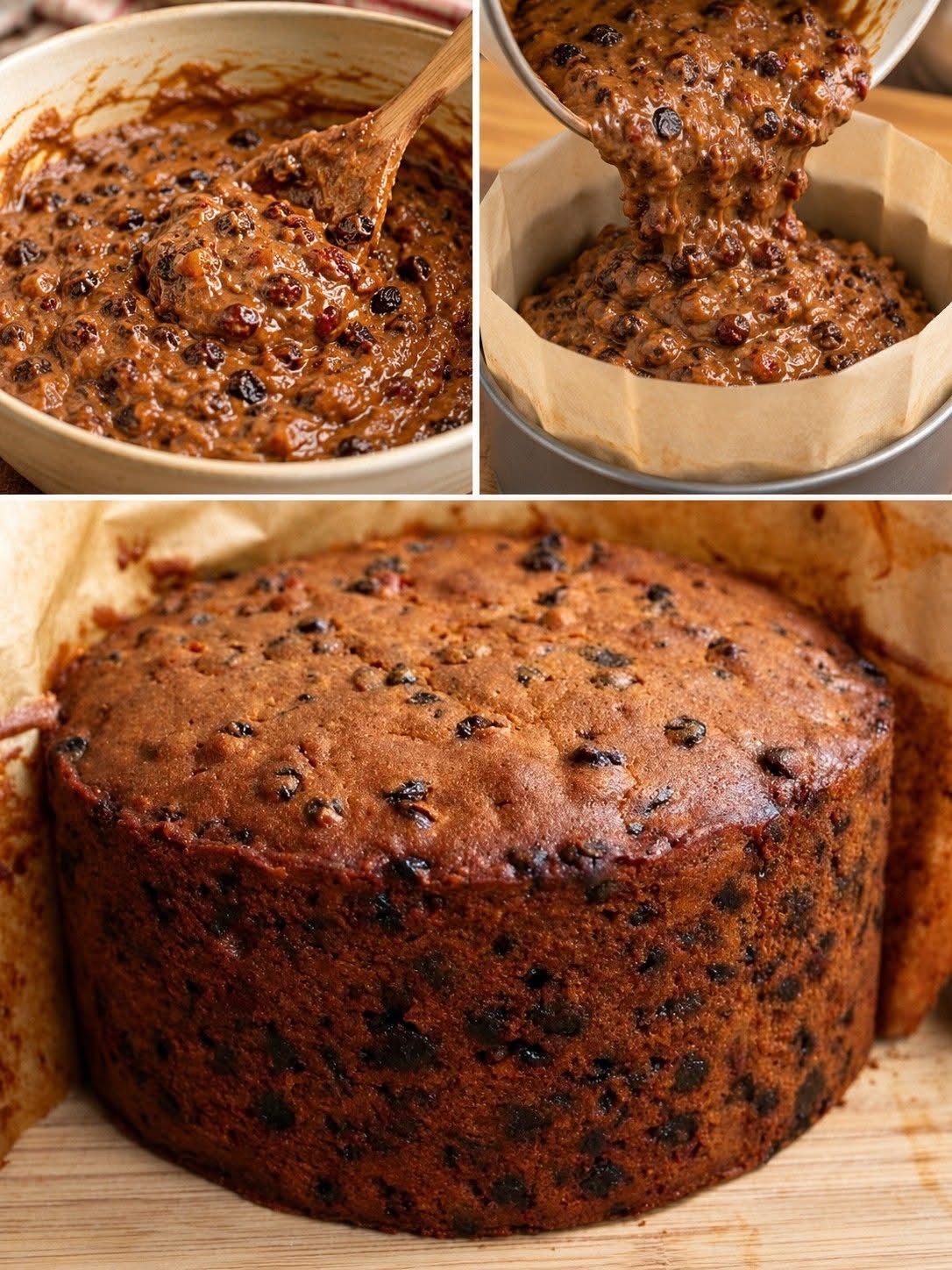
This Traditional Moist Fruitcake is a rich, old-fashioned dessert filled with raisins, currants, and sweet dried fruits in a tender, buttery cake. Its beautiful deep golden-brown color, dense texture, and warm spice flavor make it a timeless favorite for Christmas celebrations, holiday dinners, afternoon tea, and special family gatherings. Each slice offers a delicious combination of soft cake, chewy fruit, and aromatic spices, creating a homemade dessert that looks as impressive as it tastes.
Made with simple baking ingredients, brown sugar, butter, eggs, and a generous mixture of dried fruits, this homemade fruitcake is surprisingly easy to prepare. The secret to achieving a moist, flavorful cake is to soak the dried fruit before baking, measure the flour carefully, and bake the cake slowly at a moderate temperature. Whether you serve it fresh from the oven or prepare it a few days ahead for a holiday celebration, this classic fruitcake is a wonderful addition to your collection of traditional homemade cake recipes.
📋 Recipe Overview
| Recipe Detail | Information |
| Prep Time | 30 minutes |
| Fruit-Soaking Time | 30 minutes to overnight |
| Bake Time | 2–2½ hours |
| Cooling Time | 2 hours |
| Total Time | Approximately 5 hours, excluding overnight soaking |
| Servings | 12–16 slices |
| Course | Dessert |
| Cuisine | Traditional British-inspired baking |
| Difficulty | Moderate |
| Baking Temperature | 300°F (150°C) |
| Pan Size | One 8-inch round deep cake pan |
| Texture | Dense, moist, and tender |
| Flavor | Buttery, fruity, and warmly spiced |
❤️ Why You’ll Love This Recipe
- Rich fruit flavor: Every slice is packed with raisins, currants, and mixed dried fruit.
- Moist texture: Soaking the fruit helps keep the cake soft and flavorful.
- Perfect for celebrations: Serve it at Christmas, Thanksgiving, birthdays, or afternoon tea.
- Make-ahead friendly: The flavor often develops beautifully after the cake rests for a day or two.
- Easy to customize: Add walnuts, pecans, candied peel, cherries, or your favorite dried fruits.
- Long-lasting flavor: Properly stored, the cake stays enjoyable for several days.
- Beautiful presentation: Its dark golden crust and fruit-filled interior look wonderful when sliced.
🛒 Ingredients
1. Dried Fruit Mixture
| Ingredient | Quantity | Notes |
| Raisins | 1½ cups (225 g) | Provide sweetness and moisture |
| Currants | 1 cup (150 g) | Add a rich, traditional fruitcake flavor |
| Chopped dates or mixed dried fruit | 1 cup (150 g) | Use dates, figs, or mixed fruit |
| Candied orange peel | ½ cup (75 g) | Optional, for citrus flavor |
| Orange juice or apple juice | ½ cup (120 ml) | For soaking the fruit |
| Lemon zest | 1 tsp | Optional, for freshness |
2. Cake Batter
| Ingredient | Quantity | Notes |
| All-purpose flour | 2 cups (250 g) | Spoon and level when measuring |
| Unsalted butter | ¾ cup (170 g) | Softened to room temperature |
| Light or dark brown sugar | ¾ cup (150 g) | Adds moisture and caramel flavor |
| Large eggs | 4 | At room temperature |
| Baking powder | 1 tsp | Helps provide a little lift |
| Ground cinnamon | 1 tsp | Adds warm spice |
| Ground nutmeg | ¼ tsp | Optional |
| Ground ginger | ¼ tsp | Optional |
| Salt | ¼ tsp | Balances the sweetness |
| Vanilla extract | 2 tsp | Adds flavor |
| Orange zest | 1 tbsp | Optional but recommended |
| Chopped walnuts or pecans | ½ cup (60 g) | Optional |
3. Optional Finishing Ingredients
| Ingredient | Quantity | Purpose |
| Warm apricot jam | 2 tbsp | Creates a glossy finish |
| Extra chopped nuts | 2 tbsp | Optional decoration |
| Powdered sugar | 1–2 tbsp | Optional dusting |
Ingredient note: This recipe uses fruit juice rather than alcohol to soak the dried fruit. You can substitute additional orange juice or warm water if you prefer a milder flavor.
👩🍳 Step-by-Step Instructions
Step 1: Prepare the Dried Fruit
- Place the raisins, currants, chopped dates or mixed dried fruit, and candied orange peel in a large bowl.
- Pour the orange juice or apple juice over the fruit.
- Stir well so the liquid coats the fruit evenly.
- Cover and leave to soak for at least 30 minutes. For a richer texture, soak overnight in the refrigerator.
- If there is excess liquid after soaking, drain the fruit lightly and reserve a tablespoon or two for the batter if desired.
Baking tip: Soft, plump fruit distributes more evenly throughout the cake and is less likely to draw moisture from the batter during baking.
Step 2: Prepare the Cake Pan and Oven
- Preheat your oven to 300°F (150°C).
- Grease an 8-inch round, deep cake pan with butter.
- Line the bottom and sides with parchment paper.
- Allow the parchment to extend slightly above the rim if the pan is shallow.
A deep pan is ideal because traditional fruitcake is dense and requires a longer baking time. If your pan is not deep enough, divide the batter between two smaller pans.
Step 3: Combine the Dry Ingredients
- In a medium bowl, whisk together the flour, baking powder, cinnamon, nutmeg, ginger, and salt.
- Break up any lumps in the flour mixture.
- Set aside.
Mixing the dry ingredients first helps distribute the baking powder and spices evenly throughout the cake.
Step 4: Cream the Butter and Sugar
- Place the softened butter and brown sugar in a large mixing bowl.
- Beat with an electric mixer on medium speed for approximately 3–4 minutes.
- Continue until the mixture looks creamy, smooth, and slightly lighter in color.
- Scrape down the sides of the bowl as needed.
Avoid using melted butter. Softened butter incorporates air more effectively, helping the cake develop a better texture.
Step 5: Add the Eggs and Flavorings
- Add the eggs one at a time, beating after each addition.
- Scrape the bowl between additions to keep the mixture evenly combined.
- Add the vanilla extract and orange zest.
- Mix until incorporated.
If the batter looks slightly curdled, don’t worry. Adding the flour gradually in the next step should help bring it together.
Step 6: Add the Dry Ingredients
- Add the flour mixture to the butter mixture in two or three additions.
- Mix on low speed just until the flour disappears.
- If the batter becomes very thick, stir in 1–2 tablespoons of the reserved fruit-soaking liquid, if available.
Do not overmix. Excessive mixing can make the cake tougher than desired.
Step 7: Fold in the Fruit and Nuts
- Add the soaked dried fruit to the batter.
- Add the chopped walnuts or pecans if using.
- Fold gently with a sturdy spatula until the fruit and nuts are evenly distributed.
- Scrape the bottom of the bowl to ensure no plain batter remains underneath.
For more even fruit distribution, toss the drained dried fruit with 1 tablespoon of the measured flour before folding it into the batter.
Step 8: Fill the Cake Pan
- Spoon the batter into the prepared cake pan.
- Spread it evenly with a spatula.
- Smooth the surface gently.
- Tap the pan lightly on the counter to remove any large air pockets.
The batter will be thick and heavy, which is normal for a traditional fruitcake.
Step 9: Bake the Fruitcake
- Place the pan on the center rack of the preheated oven.
- Bake at 300°F (150°C) for approximately 2–2½ hours.
- Begin checking the cake after about 1 hour and 45 minutes.
- If the top becomes dark before the center is baked, cover it loosely with aluminum foil.
- Check the center with a wooden skewer.
The cake is ready when the skewer comes out without wet batter. A few moist crumbs or streaks from softened fruit are normal.
Because ovens and pans vary, use the suggested time as a guide rather than a strict rule.
Step 10: Cool the Cake
- Remove the pan from the oven.
- Place it on a wire rack and allow the cake to cool in the pan for 20–30 minutes.
- Carefully lift the cake out using the parchment paper or turn it out onto the rack.
- Peel away the parchment and allow the cake to cool completely.
Avoid cutting the fruitcake while it is still hot. Cooling allows the structure to settle and makes cleaner slices possible.
Step 11: Add an Optional Glaze
For a glossy finish:
- Warm 2 tablespoons of apricot jam in a small saucepan or microwave-safe bowl.
- If the jam contains large fruit pieces, strain it.
- Brush a thin layer over the cooled cake.
- Allow the glaze to set before slicing.
You can also serve the cake plain or dust it lightly with powdered sugar.
Step 12: Slice and Serve
Use a sharp serrated knife to cut the cake into slices.
Serve at room temperature with tea, coffee, or a small spoonful of whipped cream. For an especially flavorful fruitcake, wrap the completely cooled cake and let it rest for 24 hours before serving.
⭐ Best Tips for a Perfect Moist Fruitcake
1. Soak the Fruit Properly
Allow the dried fruit enough time to absorb moisture. Thirty minutes is a useful minimum, while overnight soaking can produce especially plump fruit.
2. Use Room-Temperature Ingredients
Room-temperature eggs and softened butter combine more evenly, helping create a uniform batter.
3. Measure the Flour Carefully
Too much flour can make the cake dry and heavy. Weighing the flour is the most reliable option.
4. Bake at a Lower Temperature
Fruitcakes contain substantial amounts of fruit and sugar, so they benefit from slower baking. A moderate oven helps the center cook without excessively darkening the exterior.
5. Protect the Top
If the top browns too quickly, loosely cover the pan with foil. Avoid wrapping the foil tightly around the cake.
6. Do Not Overmix
Once the flour is incorporated, fold in the fruit and nuts gently.
7. Let the Cake Cool Completely
Warm fruitcake can crumble when sliced. Cooling improves its texture and makes serving easier.
8. Rest the Cake Before Serving
A day of resting can help the flavors blend and the crumb become more uniform.
9. Choose Good-Quality Dried Fruit
Fresh, soft dried fruit provides better flavor and texture than fruit that is excessively hard or stale.
10. Check the Center Carefully
The large amount of fruit can make a skewer appear moist even when the cake is done. Look for wet raw batter rather than small moist crumbs.
🍊 Best Ingredient Options
Dried Fruit
Raisins and currants create a classic fruitcake. You can replace some of them with chopped apricots, dried cranberries, dates, figs, or prunes.
Brown Sugar
Light brown sugar provides a gentle caramel flavor. Dark brown sugar gives the cake a deeper, more molasses-like taste.
Citrus
Orange zest complements dried fruit particularly well. Lemon zest can be added for a brighter flavor.
Nuts
Walnuts and pecans add a pleasant crunch. Almonds or hazelnuts are also suitable.
Spices
Cinnamon, nutmeg, and ginger create a traditional warm flavor. A small pinch of ground cloves can add extra depth.
Fruit-Soaking Liquid
Orange juice creates a bright citrus flavor, while apple juice provides a milder sweetness. Warm water works if you want the fruit flavor to remain the main focus.
🔄 Recipe Variations
1. Christmas Fruitcake
Add ½ cup chopped candied cherries and ½ cup mixed candied peel. Use cinnamon, nutmeg, and a pinch of cloves for a festive flavor.
2. Fruitcake with Walnuts and Pecans
Use ½ cup walnuts and ½ cup pecans for extra crunch. Toast the nuts lightly and cool them before adding them to the batter.
3. Citrus Fruitcake
Increase the orange zest to 2 tablespoons and add a little lemon zest. Soak the fruit in orange juice for a bright, fragrant cake.
4. Tropical Fruitcake
Replace some of the raisins with chopped dried pineapple, dried mango, or dried papaya. Keep the total amount of dried fruit approximately the same.
5. Cranberry Orange Fruitcake
Replace ½ cup of the raisins with dried cranberries and add extra orange zest for a sweet-tart flavor.
6. Spiced Fruitcake
Add a pinch of ground cloves and increase the cinnamon slightly. Use these spices sparingly so they do not overpower the fruit.
7. Nut-Free Fruitcake
Simply omit the nuts and replace them with an equal amount of additional dried fruit.
8. Mini Fruitcakes
Divide the batter among greased and lined mini loaf pans. Begin checking for doneness after 35–45 minutes, adjusting the time according to the pan size.
🍽️ What to Serve With Traditional Fruitcake
| Serving Idea | Why It Works |
| English breakfast tea | Complements the warm spices and dried fruit |
| Black coffee | Balances the cake’s sweetness |
| Whipped cream | Adds a light, creamy contrast |
| Vanilla ice cream | Makes the cake a more indulgent dessert |
| Fresh orange slices | Provide a bright citrus contrast |
| Plain Greek yogurt | Adds a tangy accompaniment |
| Warm custard | Creates a classic comforting dessert |
| A little butter | Works especially well with a simple slice served with tea |
For a holiday dessert platter, serve thin slices alongside shortbread biscuits, fresh fruit, and a pot of tea or coffee.
⏰ Make-Ahead Instructions
Fruitcake is an excellent make-ahead dessert because its flavor can develop as it rests.
- Bake the cake according to the instructions.
- Allow it to cool completely.
- Wrap it tightly in parchment paper or food-safe wrap.
- Place it in an airtight container.
- Store it in the refrigerator if you plan to keep it for several days.
- Bring individual slices to room temperature before serving if you prefer a softer texture.
For the best results, prepare the cake one day before serving. This gives the fruit and spices time to blend.
Important: This juice-soaked version is not designed for long-term room-temperature aging. Do not assume it can be stored for weeks simply because traditional alcohol-soaked fruitcakes sometimes are.
🧊 Storage Instructions
At Room Temperature
For the safest general guidance, refrigerate the cake once it has cooled, particularly because it contains moist fruit and eggs. If serving it at room temperature, keep the serving period brief and return leftovers to the refrigerator.
In the Refrigerator
- Cool the cake completely.
- Wrap it tightly or place it in an airtight container.
- Refrigerate at 40°F (4°C) or below.
- For best quality, consume within 5–7 days.
How to Keep It Moist
Keep the cake well wrapped to prevent it from drying out. Slice only what you need and return the remaining cake to the refrigerator promptly.
Discard the cake if it develops mold, an unusual odor, or other signs of spoilage.
❄️ Freezing Instructions
Fruitcake freezes well when wrapped properly.
- Allow the cake to cool completely.
- Wrap the whole cake or individual slices tightly.
- Add a second layer of foil or place the wrapped cake in a freezer-safe container.
- Label with the date.
- Freeze for up to 3 months for best quality.
How to Thaw Fruitcake
Thaw the wrapped cake in the refrigerator overnight. Individual slices can also be thawed in the refrigerator.
Keep the cake wrapped while thawing to reduce moisture loss. Once thawed, serve at room temperature if desired.
🔥 Reheating Instructions
Fruitcake is usually served at room temperature, but you can warm a slice slightly.
Microwave
- Place one slice on a microwave-safe plate.
- Heat for approximately 10–15 seconds.
- Check the temperature and repeat briefly if needed.
Oven
- Preheat the oven to 300°F (150°C).
- Wrap individual slices loosely in foil.
- Warm for approximately 5–8 minutes.
Avoid overheating, as this can dry out the cake. Reheat only the portion you plan to serve.
⚠️ Common Mistakes to Avoid
1. Skipping the Fruit-Soaking Step
Problem: The dried fruit may remain hard or draw moisture from the cake.
Solution: Soak the fruit in juice before mixing the batter.
2. Adding Too Much Flour
Problem: The cake becomes dry and excessively dense.
Solution: Weigh the flour or spoon it into the measuring cup and level it off.
3. Baking at Too High a Temperature
Problem: The outside becomes dark before the center is fully baked.
Solution: Use a moderate oven temperature and cover the top loosely with foil if needed.
4. Overfilling the Pan
Problem: The batter may overflow or bake unevenly.
Solution: Use a suitably deep pan and leave space for the cake to rise.
5. Overmixing the Batter
Problem: The cake may develop a tougher texture.
Solution: Mix just until the flour is incorporated.
6. Adding Wet Fruit Without Checking the Liquid
Problem: Excess soaking liquid can make the batter too wet.
Solution: Drain the fruit lightly before folding it into the batter.
7. Cutting the Cake Too Soon
Problem: Warm slices may crumble.
Solution: Cool the cake completely before cutting.
8. Storing the Cake While Warm
Problem: Trapped steam can cause condensation and affect the texture.
Solution: Let the cake cool completely before wrapping and refrigerating.
9. Expecting a Light Sponge Texture
Problem: The cake seems heavier than an ordinary vanilla cake.
Solution: Remember that traditional fruitcake is naturally dense because of its large quantity of dried fruit.
10. Keeping the Cake Too Long
Problem: The cake may deteriorate or develop mold.
Solution: Refrigerate this juice-based version, use it within the recommended period, and freeze portions for longer storage.
📊 Nutrition Estimate
The following values are approximate and assume the cake is divided into 14 slices, including the dried fruit but excluding optional glaze.
| Nutrient | Approximate Amount Per Slice |
| Calories | 300–360 kcal |
| Protein | 4–6 g |
| Total Fat | 10–13 g |
| Saturated Fat | 5–7 g |
| Carbohydrates | 48–58 g |
| Fiber | 3–5 g |
| Sugars | 30–40 g |
| Sodium | 100–180 mg |
Actual nutrition depends on the dried fruit mixture, sugar, butter, nuts, and slice size.
❓ Frequently Asked Questions
Why Is My Fruitcake Dense?
Fruitcake is naturally denser than many other cakes because it contains a large amount of dried fruit. However, excessive flour, overmixing, or insufficient baking can make it heavier than intended.
How Do I Make Fruitcake Moist?
Soak the dried fruit before baking, measure the flour carefully, avoid overbaking, and wrap the cake after it has cooled completely.
Can I Use Different Dried Fruits?
Yes. Raisins, currants, dried cranberries, chopped dates, dried apricots, and figs all work well. Keep the total quantity approximately the same.
Can I Make Fruitcake Without Nuts?
Absolutely. Leave out the nuts or replace them with additional dried fruit.
Can I Use Milk Instead of Fruit Juice?
Fruit juice is preferable for soaking the dried fruit because it adds flavor. If necessary, you can use warm water. Milk is not required in this recipe.
How Do I Know When Fruitcake Is Done?
Insert a wooden skewer into the center. It should come out without wet cake batter. A few moist crumbs or soft fruit residue are normal.
Can I Bake This Recipe in a Loaf Pan?
Yes. Divide the batter between two standard loaf pans rather than filling one small loaf pan completely. Begin checking for doneness earlier because smaller cakes bake faster than a deep round cake.
Can I Prepare Fruitcake the Day Before?
Yes. Bake it the day before serving, cool it completely, and refrigerate it tightly wrapped. Bring the slices to your preferred serving temperature before eating.
Why Did My Dried Fruit Sink?
Fruit can sink if the batter is too thin or the fruit is excessively wet. Drain the fruit well and toss it with a tablespoon of the measured flour before folding it into the batter.
Can I Freeze Homemade Fruitcake?
Yes. Wrap it tightly and freeze for up to three months for best quality. Thaw it in the refrigerator before serving.
Is Fruitcake Only for Christmas?
Not at all. Fruitcake can be served with tea or coffee throughout the year, although its rich flavor and warm spices make it especially popular during the holiday season.
Can I Add a Glaze?
Yes. Warm apricot jam creates a glossy finish, while a simple powdered sugar glaze can provide extra sweetness. Let the cake cool completely before adding either topping.
🍰 Final Thoughts
This Traditional Moist Fruitcake is a timeless homemade dessert filled with sweet dried fruit, warm spices, and rich buttery flavor. Its dense, tender texture makes it ideal for holiday gatherings, afternoon tea, and special occasions, while the simple preparation allows you to customize the fruit, nuts, and spices to suit your taste.
For the best results, soak the dried fruit, bake the cake slowly, and allow it to cool completely before slicing. Prepare it a day ahead for an even more developed flavor, then serve with tea, coffee, whipped cream, or warm custard. Whether you’re making a festive Christmas cake or simply craving a classic fruit-filled dessert, this recipe is a delicious way to bring traditional homemade baking to your table.