Introduction
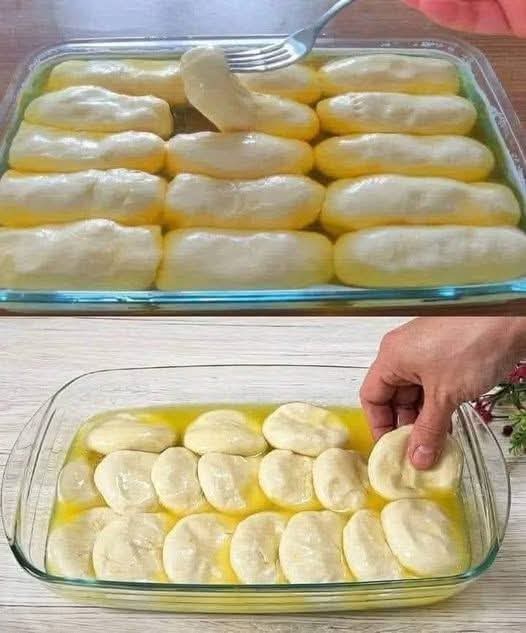
These soft, fluffy Turkish-style yeast rolls are a delightful addition to any meal, offering a slightly sweet, buttery flavor that is both comforting and elegant. Their light, airy texture and golden, tender crust are reminiscent of the finest European buttery pastries, yet they are surprisingly simple to make at home. Perfect for a leisurely breakfast, an afternoon tea, or as a side for soups and salads, these rolls are sure to become a favorite. The recipe yields beautifully puffed, melt-in-your-mouth rolls that fill your kitchen with an irresistible aroma as they bake.
Ingredients
3 cups all-purpose flour
2 tbsp sugar
1 tsp salt
2 ¼ tsp (1 packet) active dry yeast
½ cup warm milk (110°F / 43°C)
¼ cup warm water
¼ cup unsalted butter, melted
1 large egg (for dough)
1 egg yolk + 1 tbsp milk (for brushing)
Optional: sesame seeds or nigella seeds for topping
Instructions
In a small bowl, combine the warm water, warm milk, sugar, and yeast. Let it sit for 5–10 minutes until the mixture becomes foamy. This step confirms your yeast is active and will help create a light texture.
In a large bowl, whisk together the flour and salt. Pour in the foamy yeast mixture, the melted butter, and the egg. Mix until a shaggy dough forms.
Transfer the dough to a lightly floured surface and knead for 8–10 minutes until it becomes smooth, soft, and elastic. If the dough is too sticky, you can add a little more flour, a tablespoon at a time.
Place the dough in a lightly greased bowl, turning it to coat all sides. Cover the bowl with a clean kitchen towel or plastic wrap. Let it rise in a warm, draft-free place for 1–1.5 hours, or until the dough has doubled in size.
Gently punch down the risen dough to release the air. Turn it out onto a lightly floured surface. Divide the dough into 12 equal portions. Shape each portion into a smooth ball by pulling the edges down and pinching them at the bottom. Place the shaped rolls on a baking sheet lined with parchment paper, leaving a little space between them.
Cover the rolls loosely with the kitchen towel and let them rise for another 30–45 minutes, until they are noticeably puffy and have increased in size.
Preheat your oven to 180°C (350°F). In a small bowl, mix the egg yolk with 1 tablespoon of milk. Gently brush this mixture over the tops of the risen rolls. If desired, sprinkle with sesame seeds or nigella seeds.
Bake for 18–22 minutes, or until the rolls are a beautiful golden brown. Remove from the oven and let them cool slightly on a wire rack before serving warm.
How to Make
To begin the process, start by activating the yeast, which is the foundation for fluffy rolls. Ensure your milk and water are warm to the touch but not hot, as extreme heat will kill the yeast. While the yeast is proofing, you can measure out your dry ingredients.
When combining the wet and dry ingredients, mix just until they come together before turning the dough out for kneading. Kneading is a crucial step; you are looking for a smooth, supple dough that springs back when lightly poked. This develops the gluten network that will trap the gases from the yeast.
The first rise should happen in a warm spot, such as an oven with just the light on or on a sunny countertop. Patience is key here—allowing the dough to fully double ensures maximum flavor and a light crumb. When shaping the rolls, aim for even portions so they bake uniformly. Gently tuck the dough under itself to create surface tension, which helps the rolls rise up instead of spreading out.
The second rise is just as important. The rolls should look pillowy before they go into the oven. Finally, the egg wash gives them a professional, shiny, golden-brown crust. Keep an eye on them during the last few minutes of baking to prevent over-browning.
Variations
For a sweet treat, you can fill the rolls with small cubes of chocolate or a teaspoon of your favorite jam before shaping them into balls. Ensure the filling is fully enclosed by the dough.
A savory version is equally delicious. Stuff each portion of dough with a small cube of firm cheese, such as mozzarella, feta, or cheddar, for a cheesy, pull-apart center.
You can also incorporate herbs and spices directly into the dough. Adding a teaspoon of dried oregano, rosemary, or garlic powder to the flour mixture will infuse the rolls with a wonderful aroma.
For a richer flavor and even more tender crumb, try replacing half of the milk with plain yogurt or a splash of heavy cream. This adds a slight tang and extra softness.
Tips
For extra soft rolls, brush the hot rolls with melted butter as soon as they come out of the oven. This adds a beautiful sheen and an extra layer of buttery flavor.
It is essential to use warm, not hot, milk and water to activate the yeast properly. Liquids that are too hot will kill the yeast, while cold liquids will not activate it, preventing the dough from rising.
Be careful not to over-knead the dough. You should knead just until the dough is smooth and elastic. Over-kneading can make the rolls tough and dense.
Ensure your first rise happens in a warm, draft-free place. A consistent temperature helps the dough rise evenly and fully.
If you don’t have a stand mixer, kneading by hand is a great option. It allows you to feel the dough’s texture and know exactly when it’s ready.
Nutrition
The nutritional information provided is an estimate and will vary based on the specific ingredients and portion sizes used.
A single roll typically contains approximately 150-180 calories. The primary source of energy is carbohydrates from the flour and sugar. Each roll also provides a moderate amount of protein from the flour, milk, and egg. The fat content comes mainly from the butter and egg yolk. These rolls are a source of B vitamins and iron from the enriched flour.
Healthy Benefits
While these rolls are a delicious treat, they can be part of a balanced diet. Using simple, recognizable ingredients means you are avoiding the preservatives and additives often found in store-bought bread. The eggs and milk provide a good source of protein and calcium, which are essential for bone health and muscle function.
The yeast used in the dough is a source of B vitamins, which are important for energy metabolism. Furthermore, by making them at home, you have complete control over the ingredients. You can easily adjust the recipe to suit your dietary needs, such as using whole wheat flour for added fiber or reducing the sugar for a less sweet version.
Conclusion
Making these soft, buttery Turkish-style yeast rolls at home is a rewarding experience that brings the warmth and comfort of a from-scratch bakery to your kitchen. The recipe is forgiving and perfect for bakers of all skill levels, offering a wonderful foundation that you can easily customize with your favorite sweet or savory fillings. The result is a batch of irresistibly fluffy, golden rolls that are perfect for sharing with family and friends. Whether enjoyed simply with a pat of butter or as part of a larger feast, these homemade rolls are sure to create a memorable and delicious moment.